
Useful Tips for Washing Down Comforters
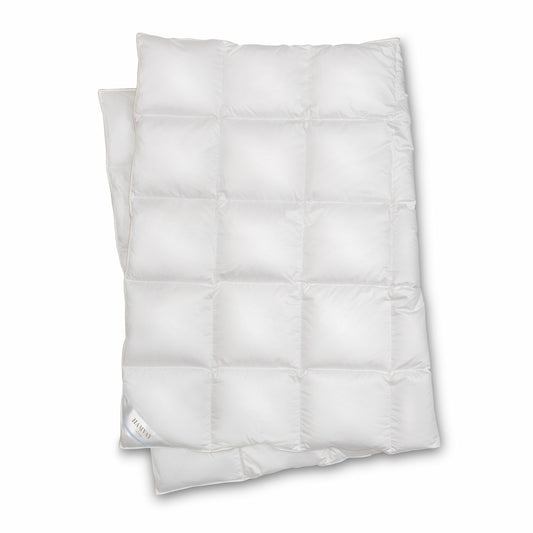
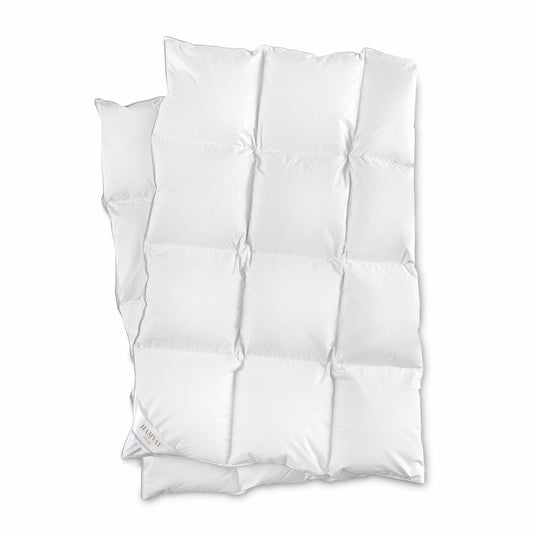
A premium down comforter is designed to provide exceptional warmth, breathability, and comfort for many years. When properly maintained, high-quality down bedding can last 10 to 20 years or even longer. However, improper cleaning is one of the most common reasons comforters lose their loft, structure, and insulating performance.
This guide explains how to care for your comforter responsibly, including when to seek professional cleaning, how to spot treat between washes, and what to do if hand washing becomes unavoidable.
Why Professional Laundering Is the Safest Option
Down is a natural material that requires space, controlled moisture levels, and proper drying to maintain its loft and insulating properties. Professional cleaners use industrial equipment specifically designed to handle large, delicate bedding items. Their machines allow adequate room for the comforter to move freely without compression, and their drying systems ensure thorough moisture removal.
Insufficient drying is one of the biggest risks when cleaning down at home. Even small amounts of trapped moisture can lead to clumping, odor, or mildew development. Professional laundering minimizes these risks and protects the long-term integrity of the comforter. For valuable or heirloom-quality bedding, professional care is strongly recommended.
How Often Should a Down Comforter Be Cleaned?
The frequency of cleaning depends largely on how the comforter is used. If you use a duvet cover, the insert typically only requires professional cleaning every two to three years.
Without a cover, annual cleaning is usually sufficient. Homes with pets, allergies, or heavy use may require more frequent attention. Using a washable duvet cover significantly reduces direct exposure to sweat, body oils, dust, and environmental debris, helping extend the life of the comforter.
Everyday Care Makes the Biggest Difference
Proper daily maintenance greatly reduces the need for deep cleaning. Fluffing the comforter each morning helps redistribute the down evenly and allows any absorbed moisture to evaporate. Occasional airing in a dry, shaded outdoor space can also refresh the filling naturally.
When storing a comforter, always use a breathable cotton bag or loosely wrap it in a sheet. Plastic storage bags and vacuum compression should be avoided, as they can trap moisture and damage the natural loft of the down. Small preventative habits often have a greater impact on longevity than frequent washing.

How to Spot Treat a Down Comforter
Between professional cleanings, minor stains can usually be treated locally without washing the entire comforter.
Begin by laying the comforter flat and identifying the affected area. A mild detergent diluted with lukewarm water or an enzyme-based stain remover can be gently applied to the fabric surface. Use a clean cloth to dab the stain carefully. Avoid aggressive rubbing, as this can damage the outer shell or push moisture into the filling.
After treatment, remove any residue with a slightly damp cloth and allow the area to air dry completely before returning the comforter to the bed. Spot cleaning is often enough to maintain freshness without exposing the entire insert to unnecessary moisture.
Hand Washing a Down Comforter (Only If Necessary)
If professional laundering is not accessible, hand washing may be considered as a last resort. This method requires patience and care to avoid damaging the filling.
A clean bathtub is the most practical option. Fill it with lukewarm water and add a small amount of gentle detergent formulated for delicate fabrics. Submerge the comforter slowly and press it gently into the water. Avoid twisting, wringing, or aggressive agitation, as this can strain seams and cause down to clump.
After soaking briefly, drain the tub and refill with clean water to rinse thoroughly. Removing all detergent is essential, since residue can stiffen the down and reduce loft. When lifting the comforter from the tub, support its full weight. Wet down becomes very heavy, and pulling unevenly may tear the fabric.
Drying must be approached carefully. The comforter must be completely dry before use or storage. Any remaining internal moisture can compromise both hygiene and structure. If there is any uncertainty about drying thoroughly at home, professional drying is the safest solution.
Protecting the Longevity of Your Comforter
A well-made down comforter is an investment. Its lifespan depends on quality, frequency of use, cleaning methods, and overall care.
Using a duvet cover, minimizing unnecessary washing, avoiding harsh detergents, and ensuring proper drying are all essential to preserving loft and warmth. When maintained thoughtfully, a down comforter will retain its comfort and insulating performance for many years.
If you begin to notice persistent flat areas, uneven filling, or a significant loss of loft despite proper care, it may be a sign that the comforter has reached the end of its lifespan.
Final Thoughts
Cleaning a down comforter does not need to be complicated, but it does require care. While home methods are possible in certain situations, professional laundering remains the most reliable way to preserve quality and performance.
Thoughtful maintenance, careful spot treatment, and responsible cleaning practices ensure that your comforter continues to provide the warmth and comfort it was designed for — season after season.